Grit Blasting Services
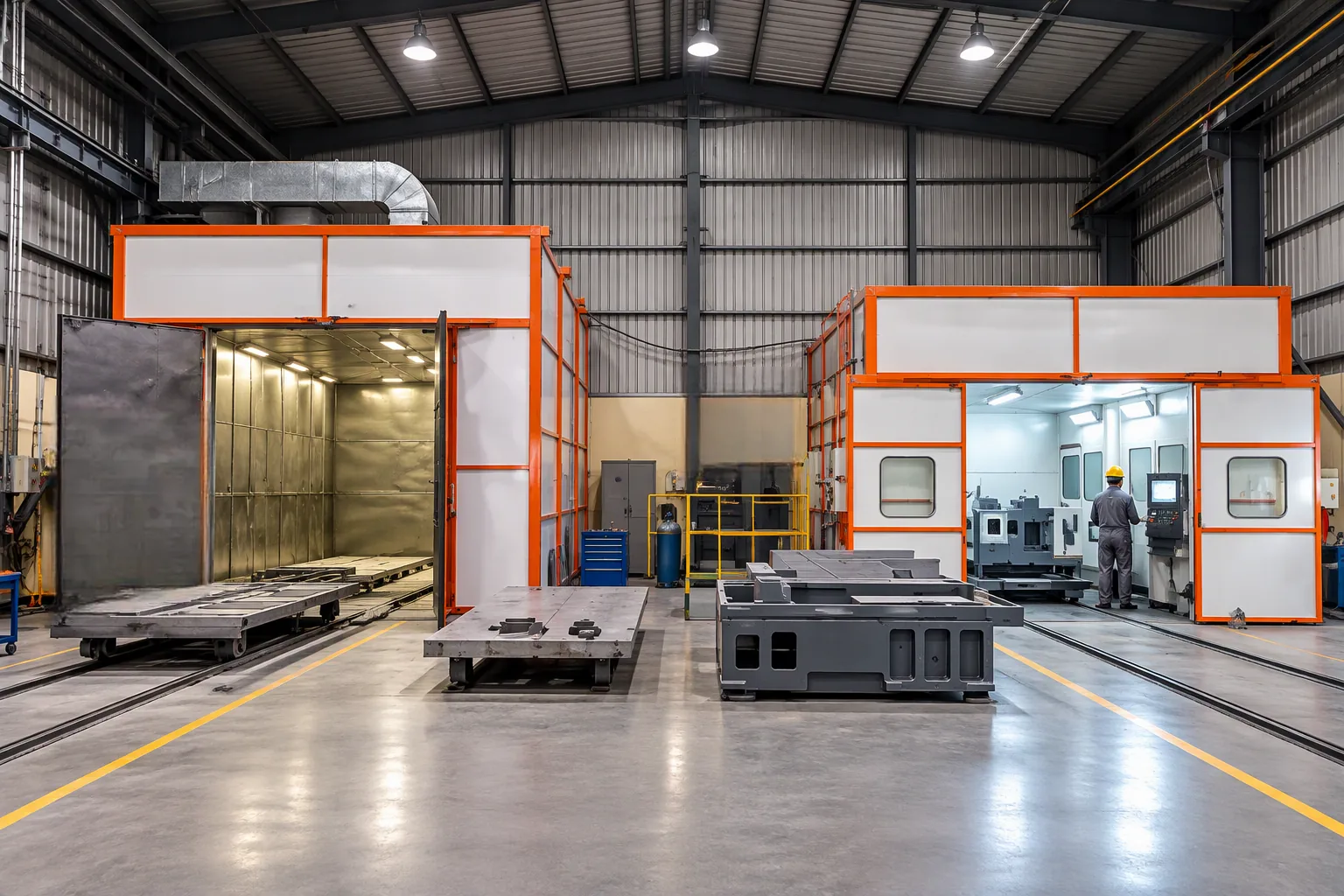
Angular steel grit cuts a sharp, deep anchor profile into steel.
- Steel grit, G14 and G16
- Sa 2½ to Sa 3
- Sharp anchor profile
Why Thermal Spray Needs a Grit Profile
A thermal spray coating holds to steel mechanically. Molten zinc or aluminium droplets flatten into the peaks and valleys of the blasted surface and lock there as they cool. The sharper and cleaner the profile, the stronger the bond.
Angular steel grit fractures as it strikes the surface and cuts into the steel, leaving the jagged anchor pattern to which metal spray adheres best.
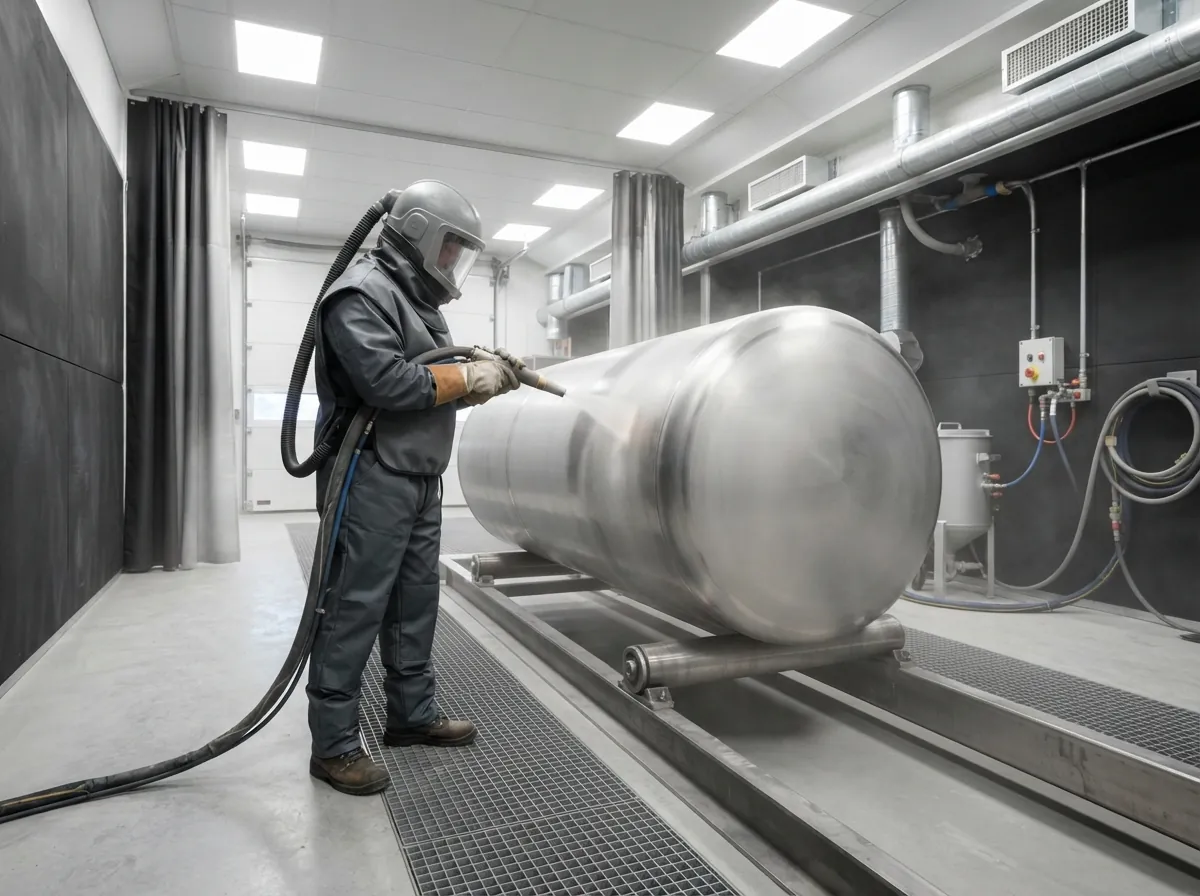
We blast with graded steel grit, including G14 and G16, and verify the profile with a surface profile gauge before any coating is applied.
When Grit Blasting Is Appropriate
Before Zinc or Aluminium Metallizing
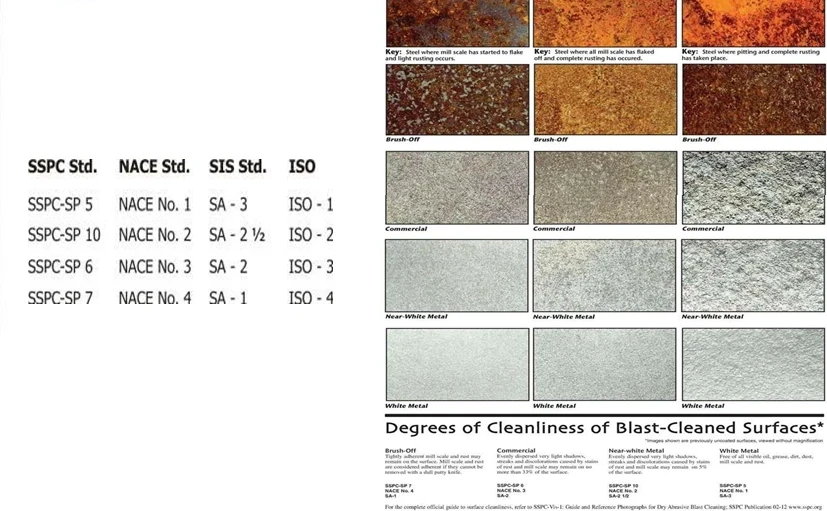
Thermal spray zinc and aluminium require a clean, angular profile to bond to. Grit blasting to Sa 2½ or Sa 3 provides it.
Before Metallizing Worn Parts
Build-up on worn shafts and journals depends on a sharp, clean profile for adhesion.
High-Build Paint Systems
Thick epoxy and similar systems require a deeper profile than conventional paints in order to remain bonded.
Pitted or Heavily Rusted Steel
Angular grit removes pitted rust and tight scale efficiently.
Castings and Heavy Fabrications
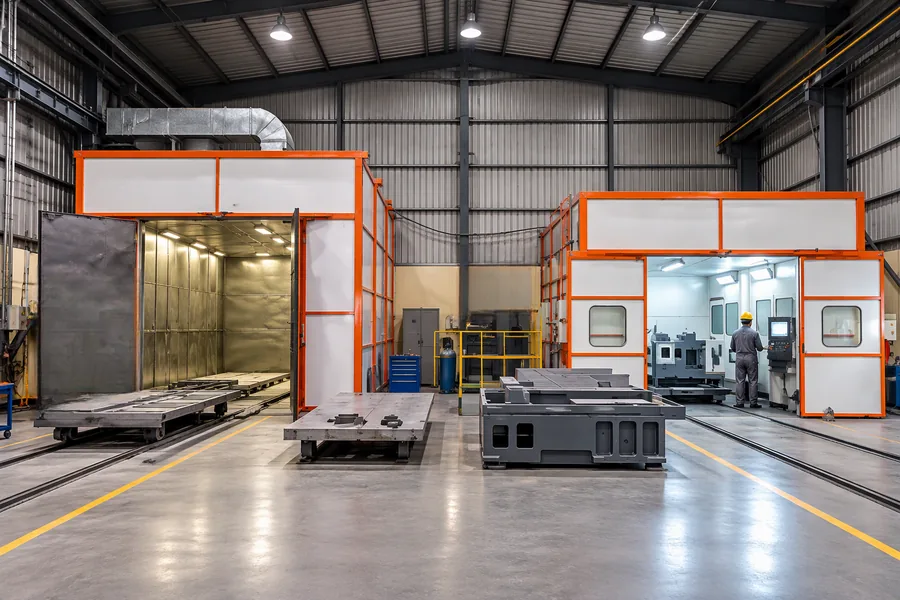
Burnt-on moulding sand, scale and rust are removed from castings, machine-tool beds and fabricated frames, leaving an even surface for primer and paint.
Specification
- Abrasive
- Steel grit, including grades G14 and G16; copper slag and aluminium oxide as the project requires
- Cleanliness
- ISO 8501-1 Sa 2½, or Sa 3 for thermal spray aluminium
- Equivalent grades
- SSPC-SP 10 / NACE No. 2 (Sa 2½) · SSPC-SP 5 / NACE No. 1 (Sa 3)
- Profile
- Sharp, angular anchor profile; depth set by the coating specification
- Profile check
- Surface profile gauge, recorded before coating
- Where
- At our facilities in Bengaluru or at your site
- Time to coat
- Thermal spray applied within hours of blasting
Our Grit Blasting Procedure
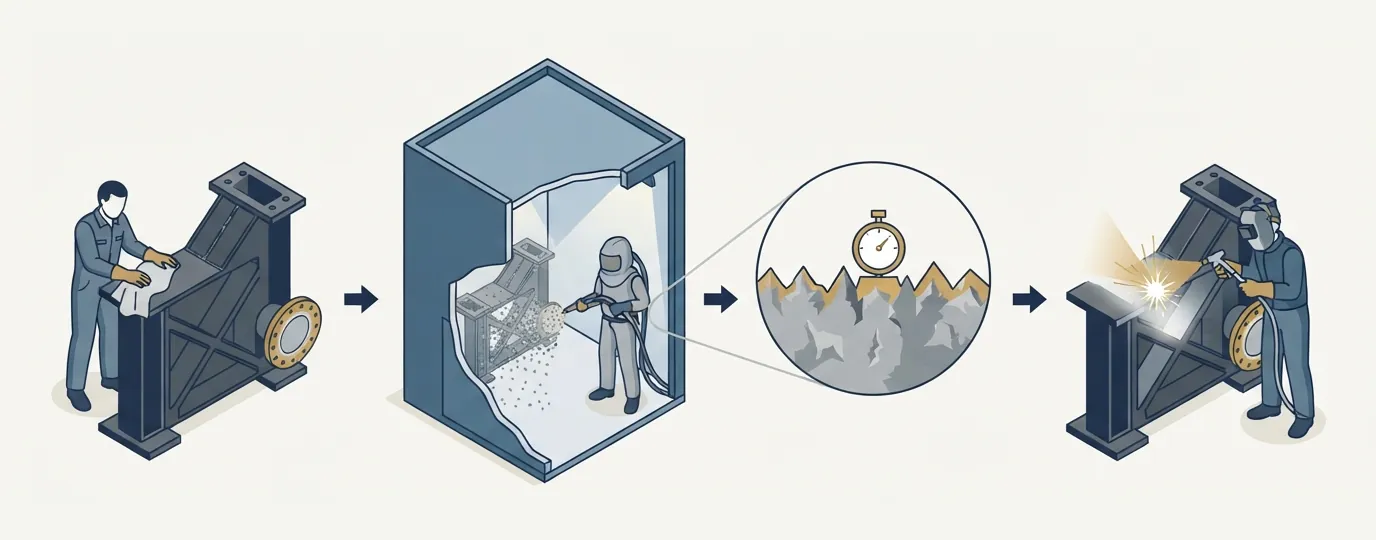
Degrease and Mask
Oil and grease are removed first, because blasting would otherwise drive them into the surface. Areas that must remain untouched are masked.
Blast
The steel is blasted with graded grit until it reaches the specified grade across the entire surface.
Measure
Cleanliness is checked against ISO 8501-1 and the profile is measured with a gauge.
Coat
Metal spray or primer is applied on the same day, while the surface is still clean and active.
Applications
Grit blasting is the preparation behind our thermal spray zinc, aluminium and advanced coatings, and for primer and paint on castings and fabrications.
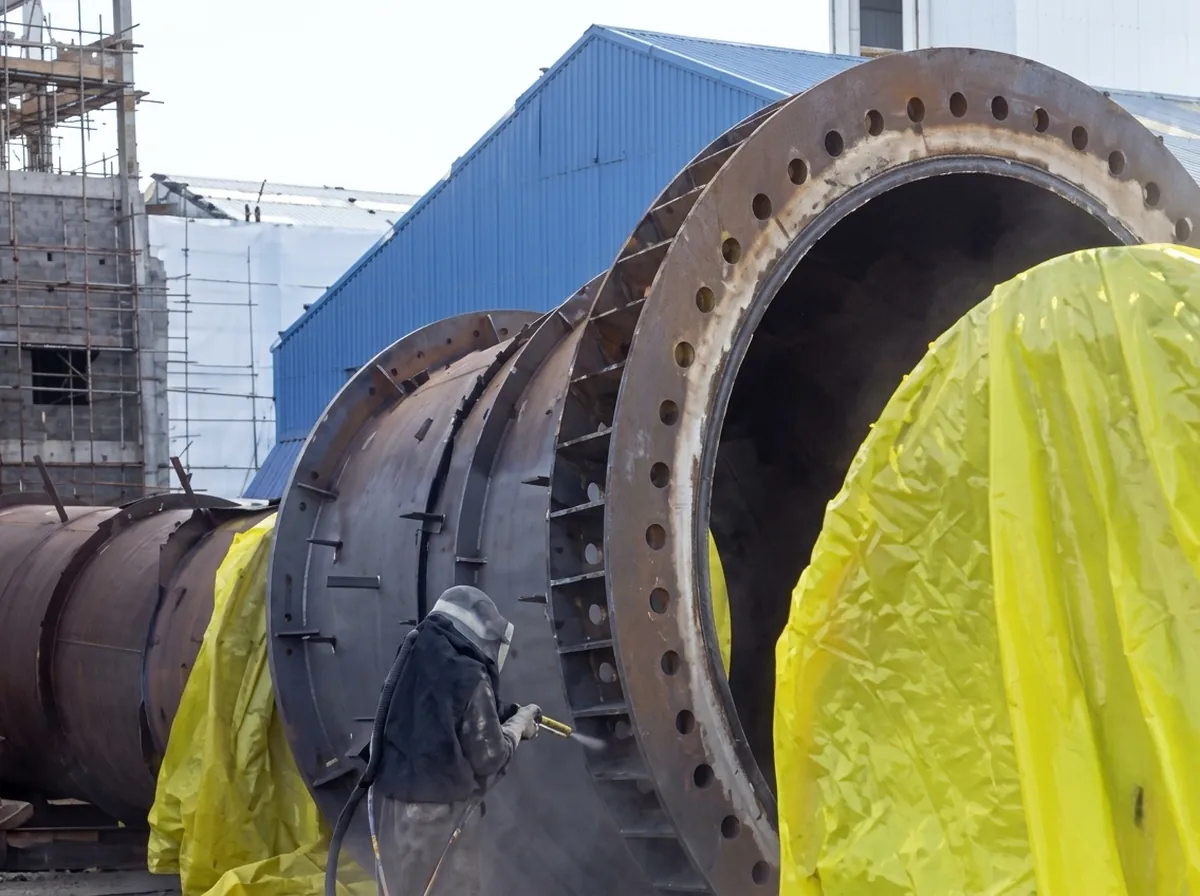
- Steel before zinc and aluminium metallizing
- Chimneys, ducts and kiln shells
- Storage tanks and vessels
- Machine-tool castings, beds and fabricated frames
- Shafts, rolls and valves before wear coatings
- Structural steel for high-build paint
Frequently Asked Questions
What profile depth do you blast to?
What are G14 and G16?
Can grit blasting be carried out at our site?
Which abrasives do you use?
Do you offer shot blasting?
Send a Drawing for a Blasting Quote
Share the drawing or photographs, the present condition of the steel and the grade you need, such as Sa 2½. One of our engineers will reply with the method and a quotation.
- Reply within one working day
- Drawings kept confidential
- Email acknowledgement
Thank you. Your enquiry has been received.
One of our engineers will contact you to discuss the requirement. A confirmation has been sent to your email address.