Worn Shaft Repair by Metallizing
A worn journal, bearing seat or seal face does not always require a new shaft.
- Arc and flame spray
- Reclamation of worn out parts
- At our Bengaluru units
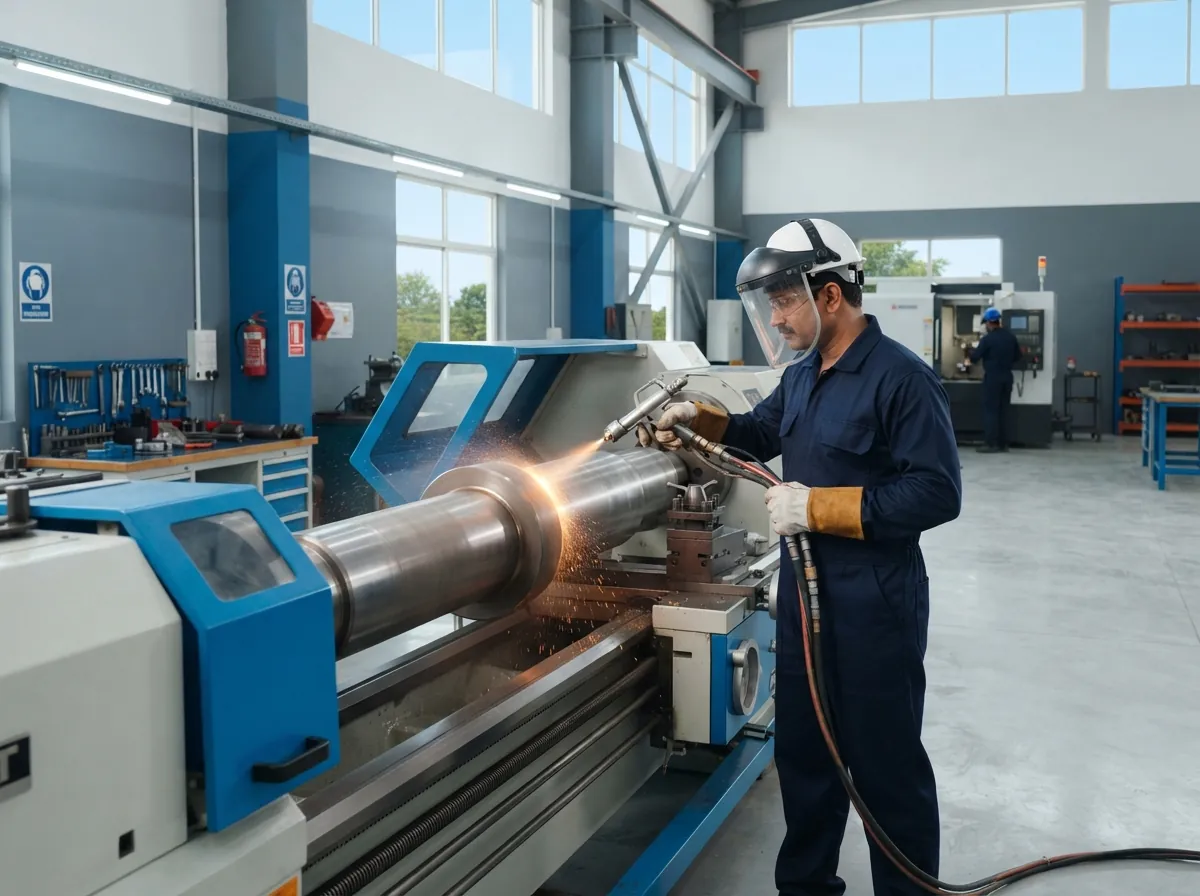
How Metallizing Rebuilds a Worn Shaft
Shafts wear where they run: bearing journals, seal and sleeve seats, coupling fits and wear-ring surfaces. Metallizing repair replaces the lost metal by spraying molten or semi-molten material onto the worn area, which is then finished to size.
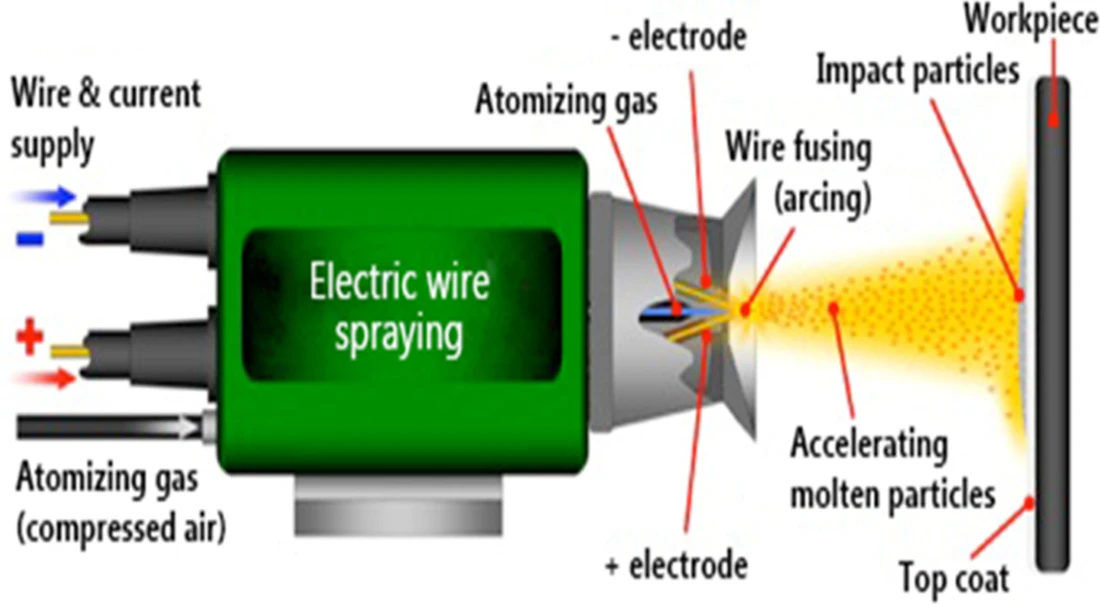
Because the part is not welded, the heat input is far lower than with weld build-up, which helps to limit distortion on long or slender shafts. The sprayed layer bonds mechanically to a freshly blasted surface.
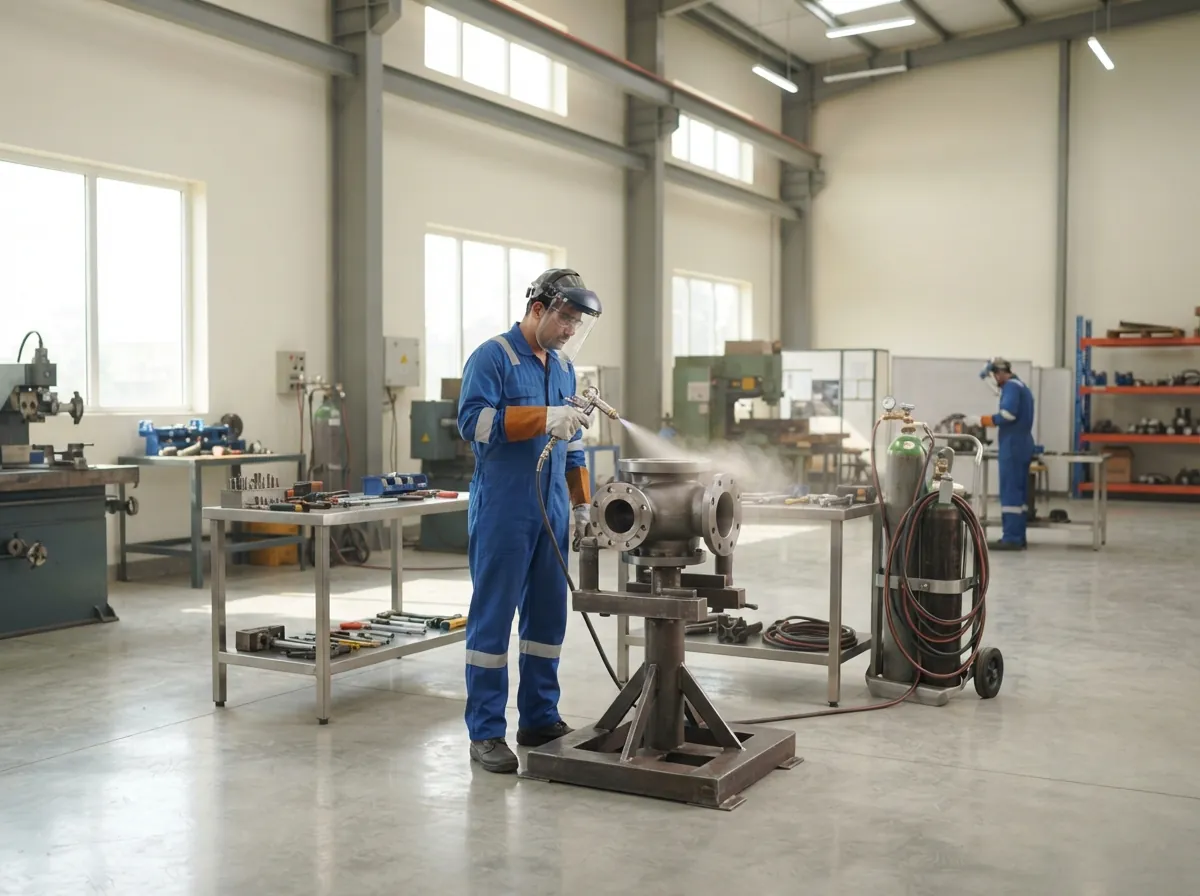
We carry out metallizing repair of worn shafts. The route is chosen from the wear, the duty and the base metal.
When Metallizing Repair Is Appropriate
Worn Journals and Seats
Bearing, seal and sleeve seats that have lost diameter but are otherwise sound.
Long or Slender Shafts
Parts that could bend or distort under the heat of weld build-up.
Shafts That Are Difficult to Replace
Large, special or long-lead shafts where reclaiming the surface is faster than making a new part.
Upgrading the Surface
A harder or more corrosion-resistant coating can be applied where the original surface wore quickly.
Repair Routes
The route and coating material are selected for each shaft on the basis of the amount of wear, the duty and the base metal.
- Arc spray
- Wire build-up of larger areas at a high deposition rate.
- Flame spray
- Wire or powder build-up at our facilities in Bengaluru or at your site. See flame spray.
- Surface preparation
- Undercut and clean, then grit blast for bond
- Finishing
- Machined or ground back to the drawing size
- Inspection
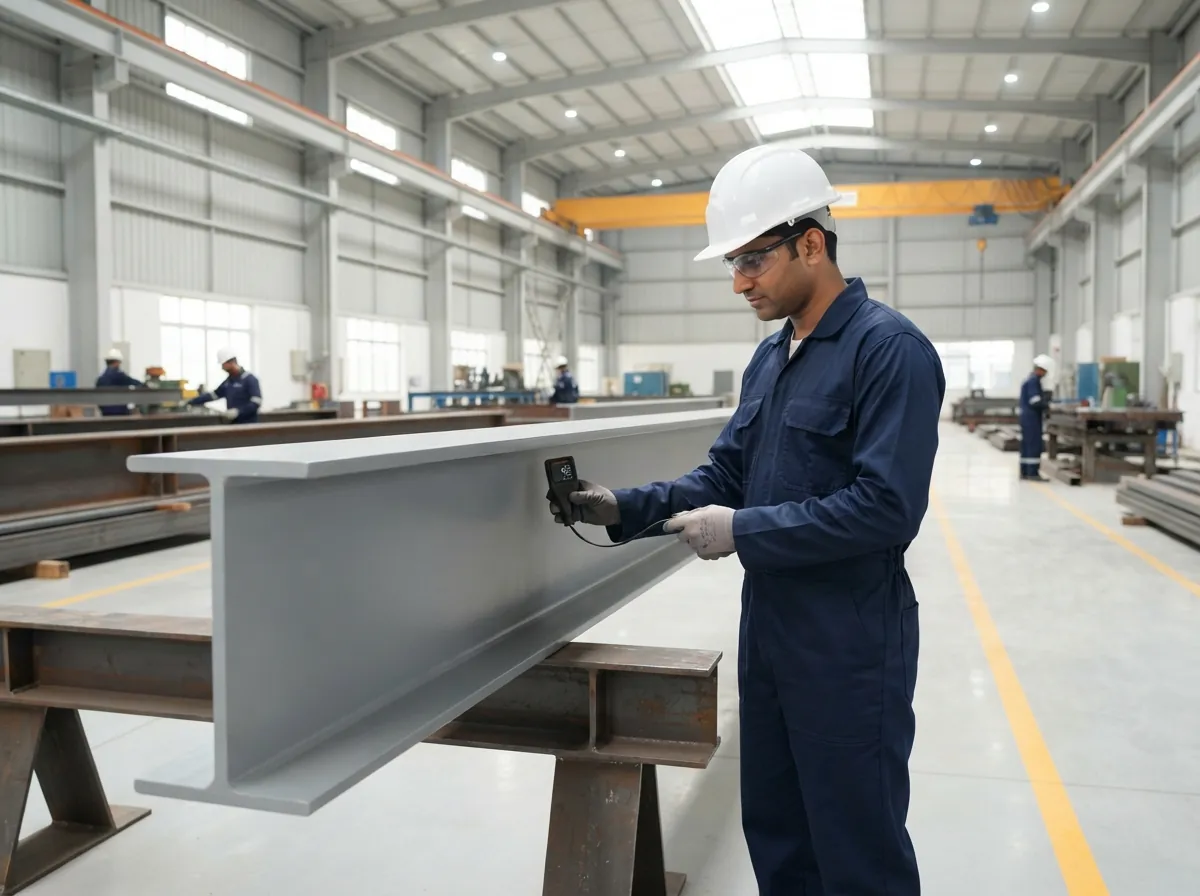
- Measurement of the finished diameter and a visual check of the coating
Process Steps
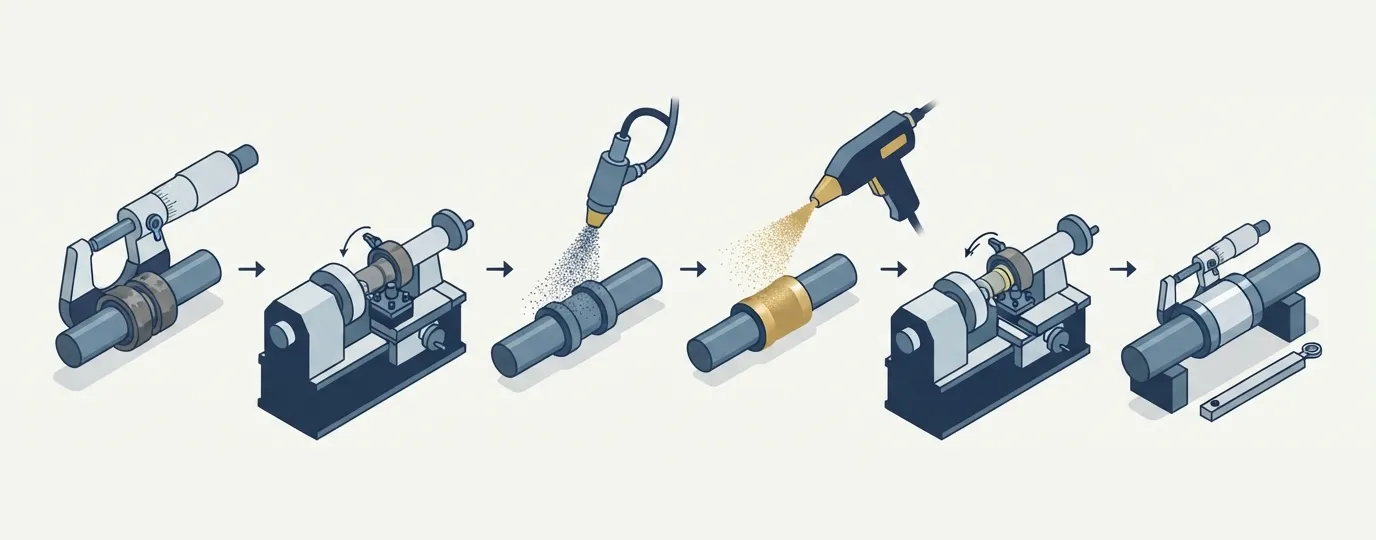
Inspect and Measure
We measure the wear and the straightness of the shaft, and examine the base metal, so that the repair route can be chosen.
Undercut and Clean
The worn surface is cut back where necessary so that the coating can be built to a usable thickness. All oil and dirt are then removed.
Grit Blast
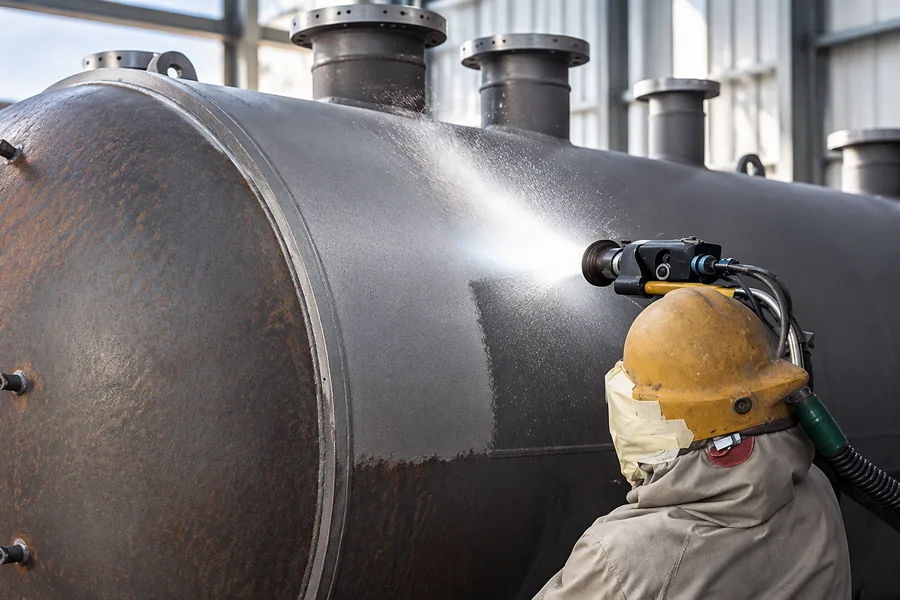
Clean, sharp grit blasting gives the sprayed metal a rough surface to which it can adhere.
Spray Build-Up
The chosen coating is sprayed in passes, with the surrounding area masked, until it stands above the final size.
Machine to Size
The part is then machined or ground back to its drawing size and surface finish.
Inspect
The finished diameter and the coating are checked before the shaft is returned.
Applications
Any rotating shaft that wears at a fit or seal face can be considered. Please share the drawing and the wear details, and we will advise whether spray repair suits the part.
- Pump shafts and sleeves
- Fan and blower shafts
- Roll necks and rolls
- Motor and gearbox shafts
- Bearing journals and seal seats
Frequently Asked Questions
How does metal spray shaft repair work?
Is a sprayed repair as good as a new shaft?
Which spray process is used for shaft repair?
Can a shaft be repaired on site?
What should be provided with an enquiry?
Send Shaft Details for a Repair Quote
Share the shaft drawing, the worn diameters and photographs of the wear. One of our engineers will confirm whether metallizing suits the repair and quote for it.
- Reply within one working day
- Drawings kept confidential
- Email acknowledgement
Thank you. Your enquiry has been received.
One of our engineers will contact you to discuss the requirement. A confirmation has been sent to your email address.